The relationship between jazz and Brazilian music goes far deeper than Joao Gilberto’s fusion of cool jazz harmony and understated, hushed vocal style with the abstracted samba rhythms he played for guitar accompaniment. Which is to say, the link is far deeper than Bossa Nova, which took the world by storm in the early 1960s, and spins outward to the present day. By the time of the American hits which made stars out of Stan Getz, Antonio Carlos Jobim, Sergio Mendes and Gilberto himself, an entirely new, new wave was beginning to crest in Brazil. (No, not Tropicalia—that’s for another day.)
There are quite a few Brazilian pop records that are loved by jazz fans for their fascinating and gorgeous harmonies and their rhythmic vitality. The list here is very long—and I’ve dealt with some of them—but unless you’re some kind of hipster or record crate diver, you haven’t gotten into Edu Lobo. Which is a shame.
Edu Lobo was a pop composer who, like Carole King or Neil Diamond in the Brill Building, found the late 1960s the right time to step out and create highly personal records of his own. He was championed by Sergio Mendes, who secured him a deal with his American label, A&M. The resulting album was called Sergio Mendes Presents Edu Lobo, and it’s an all-time classic of the period. (You can buy a new pressing at Amazon for less than $23, and it’s a steal.)
This record was released concurrently in Brazil, and is considerably more difficult to get your hands on. For some reason, Lobo’s records haven’t gotten the credit they deserve, and all of his brilliant albums from the 70s are quite difficult to find on vinyl.
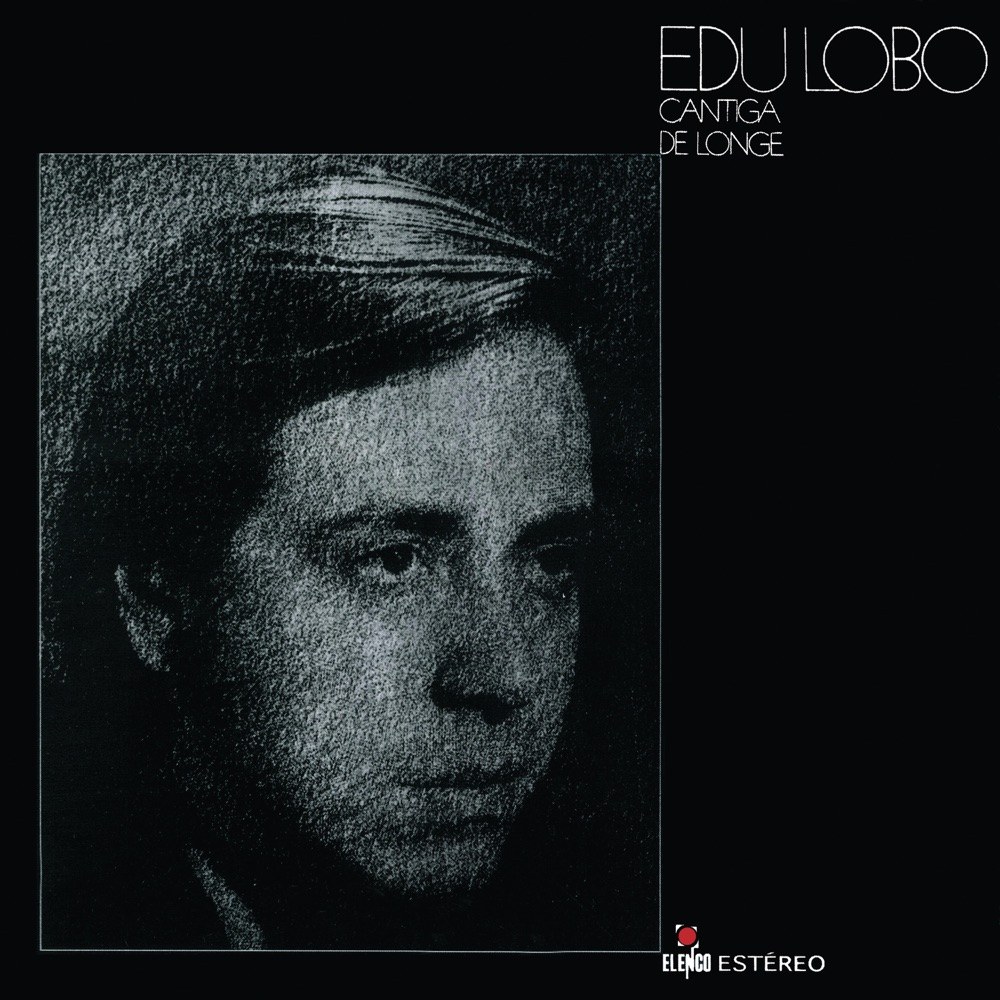
Cantiga de Longe (Songs from Afar) is like a piece of jewelry; vocal harmonies are etherial, guitar and piano lines weave and double. The ballads are peerless and floating. Features the great multi instrumentalist Hemeto Pascoal on flute throughout.
Originally published at Late Republic Nonsense.